A zero gravity recliner for anxiety is a reclining chair engineered to tilt your legs level with or above your heart and spread body weight evenly, so the muscles anxiety keeps braced — neck, shoulders, lower back — get a mechanical reason to release. People managing anxiety need something different from a general comfort shopper: a predictable, low-stimulation recline that becomes part of a daily routine, not a novelty feature with a remote full of buttons.
- A zero gravity recliner for anxiety works by tilting your legs above heart level to ease muscle bracing.
- Edward Creation's Luna Swivel Rocker Power Recliner adds heat and massage; the Nimbus Zero-Gravity Power Recliner skips it for a wall-hugger design.
- Manual zero-gravity models cost less but lock into preset angles instead of adjusting on demand.
- Test the recline angle for at least 10 minutes before buying — the calming effect builds gradually, not instantly.
Why zero gravity recliners matter for anxiety relief
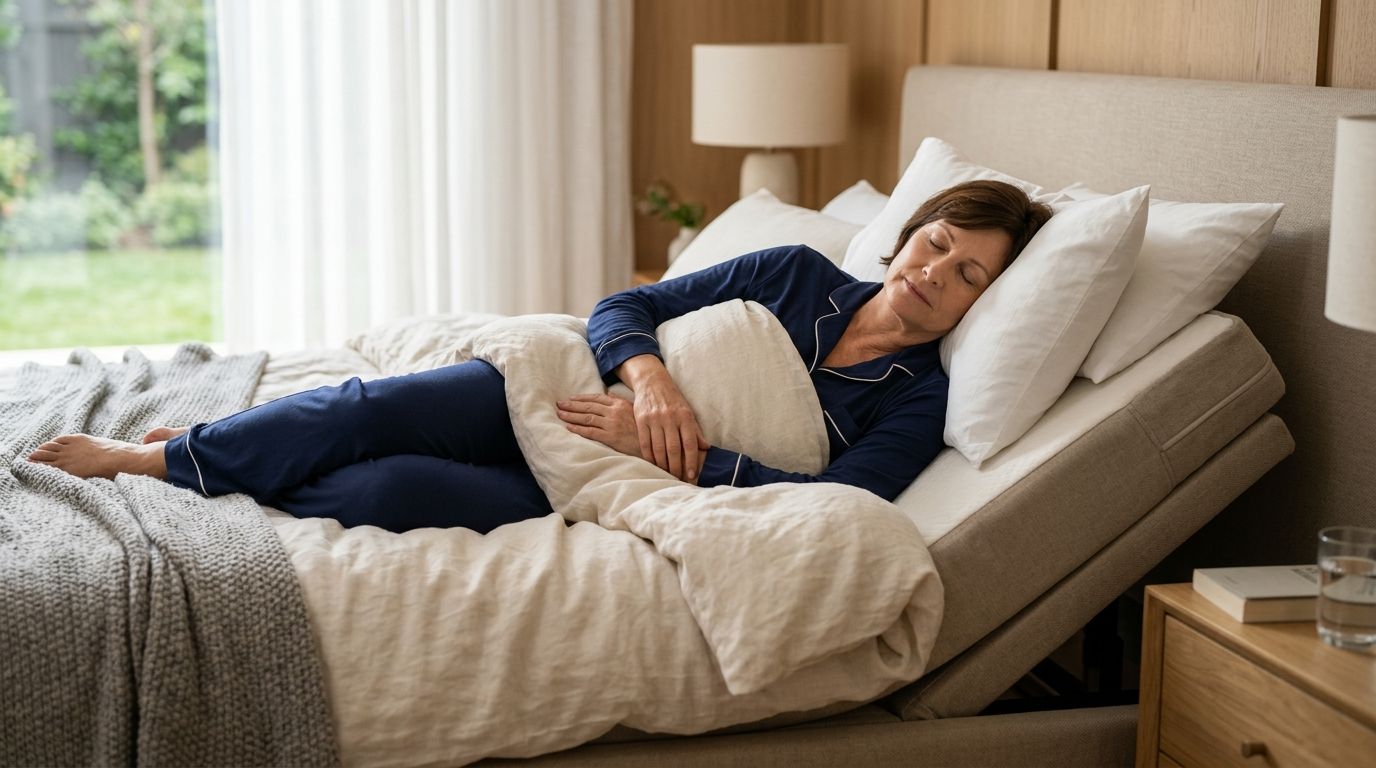
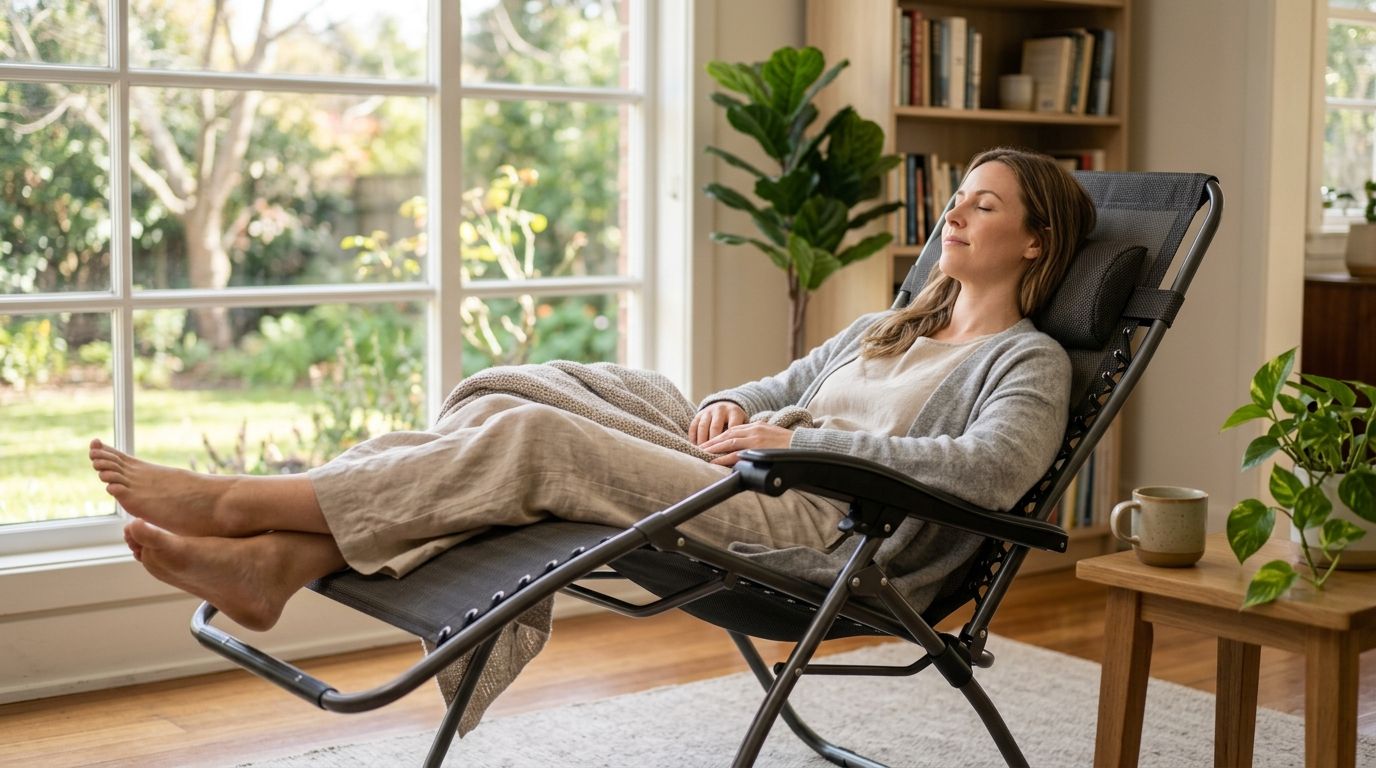
Anxiety produces physical symptoms before it produces thoughts you can name — a racing heart, shallow breathing, and muscles that brace as if bracing for impact. The zero gravity position, based on the neutral body posture NASA identified for astronauts adapting to microgravity, lifts the legs level with or above the heart and spreads weight across the whole body instead of concentrating it on the spine and hips.
Edward Creation's zero gravity recliner lineup spans manual, budget-first models up to power recliners with heat and massage, but the segment shopping specifically for anxiety relief needs a narrower shortlist than the general comfort shopper does. The best zero gravity recliners for home relaxation and comfort covers the category broadly; this guide narrows it to what matters when anxiety, not general comfort, is driving the purchase.
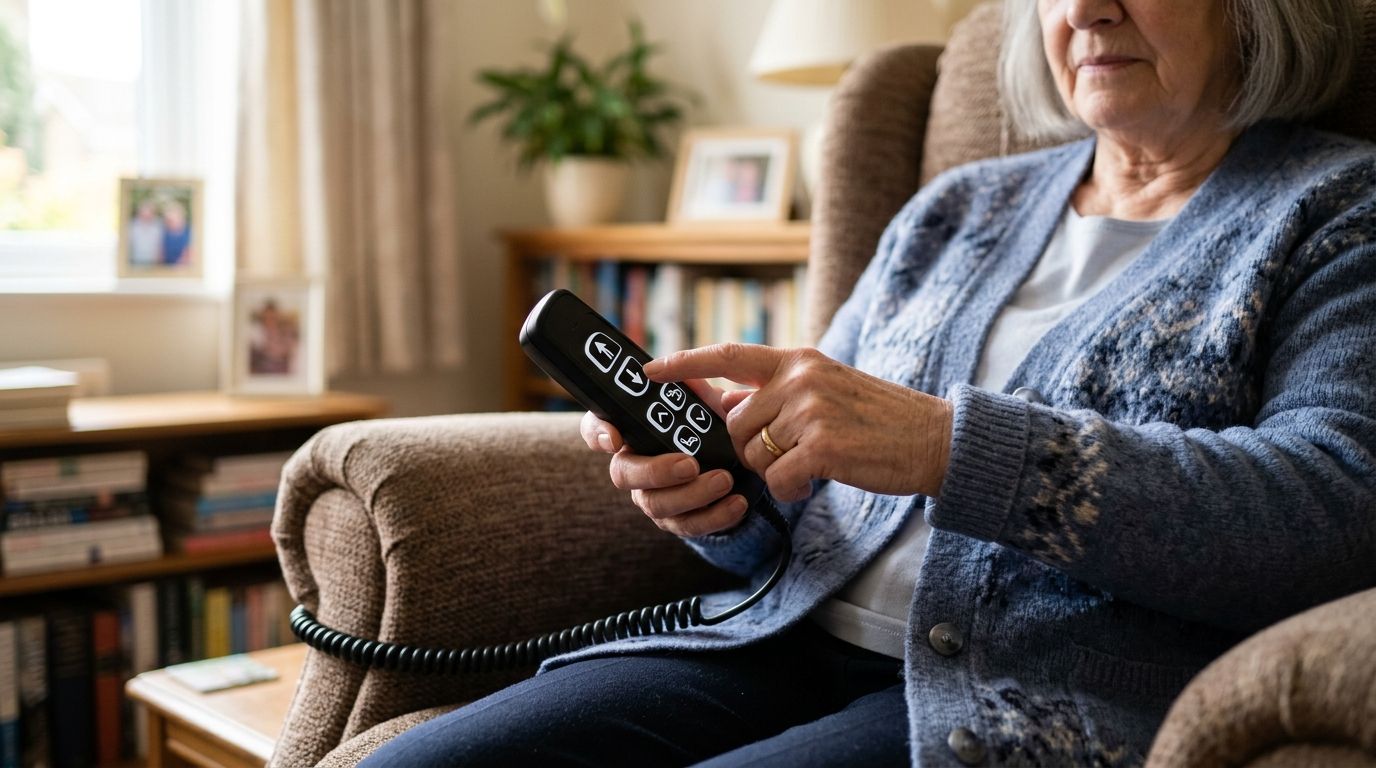
For someone managing anxiety day to day, the neutral tilt removes a step: you don't have to consciously relax a muscle group, the chair takes the load off it for you. That means people shopping this category care less about recline depth and more about motor noise, control simplicity, and whether the chair can anchor a wind-down ritual.
Set your target recline angle first
- Free test: recline your bed or a chair you already own to roughly the true zero-gravity range — legs level with or slightly above your heart, not just leaned back — and time how long it takes your breathing to slow.
- A chair with only two or three fixed positions gives you nothing to adjust the moment anxiety spikes mid-evening.
- Look for infinite or multi-position recline control rather than a manual lever with preset stops.
- Test the angle for at least 10 minutes before deciding it works; the calming effect is gradual, not immediate.
Rule out motor noise as a trigger
- Ask whether the recline runs on one motor or splits backrest and footrest movement — separate motors let you adjust gradually instead of one abrupt full-body shift.
- Sit through a full recline-and-return cycle in a quiet room before buying; a whining or grinding motor undercuts the calm you're paying for.
- Skip continuous vibration massage if buzzing itself feels agitating — not every anxious nervous system wants added stimulation.
- The Nimbus Zero-Gravity Power Recliner with Power Headrest and Wall-Hugger Design is worth testing here since its wall-hugger build also means less recline swing to manage in the room.
Decide if heat and massage help or overstimulate you
- Free option: clip a heating pad and a handheld massager onto any recliner you already own and test the combination for a week before buying a built-in system.
- Heat tends to loosen the muscle guarding anxiety causes in the shoulders and lower back within minutes for most people, but constant vibration reads as agitation for some.
- If heat helps but massage doesn't, look for a chair that runs the two settings independently rather than as one bundled mode.
- The Luna Swivel Rocker - Power Recliner with Heat & Massage swivels up to 160° before you even recline, which gives you room to pace and settle before sitting still — useful if stillness is hard to reach on a bad day.
- Browse zero gravity power recliners with heat and massage if this combination is the deciding factor for you.
Measure your space before you order
- Free method: tape off the recliner's fully reclined length on the floor, footrest extended, and check clearance from the nearest wall and doorway.
- A recliner crammed too close to a wall forces a shallower recline, which defeats the point of reaching a true zero-gravity angle.
- Wall-hugger models need only a few inches of clearance behind the chair instead of the several feet a traditional recliner swings back.
- How to choose a recliner size for a small room walks through the tape-test room by room if your space is tight.
Anchor a wind-down ritual to the chair
- Free habit: sit in the same chair at the same time every evening for two weeks; repetition trains your nervous system to treat the position as a cue to relax, not just furniture to sit in.
- Pair the recline with one fixed signal — dim lights, a specific playlist, a warm drink — so the chair itself becomes shorthand for calm.
- Keep the chair off-limits for work calls, scrolling news, or arguments; mixed use dilutes the association you're building.
- Set a reminder for the first two weeks until the habit holds on its own.
Check joint and back support before locking in a model
- Free test: sit for at least 15 minutes in-store, or use a trial period if one is offered, since lower-back tension after a few minutes signals poor lumbar contouring.
- Anxiety often shows up as bracing in the neck and shoulders specifically, so a power headrest that moves independently of the backrest matters more for this segment than for a general comfort shopper.
- The Ergonomic Meditation Chair with Lumbar Support offers a lower, contoured seat built for cross-legged or kneeling positions if a full recliner feels like too much chair for a small calming corner.
- Check the stated weight capacity against your own; a chair that bottoms out under your weight cancels the weightless feeling you bought it for.
Two models from Edward Creation's zero gravity recliner lineup stand out for anxiety-specific use, plus one alternative seat worth considering.


Zero gravity recliner options for anxiety, compared
Here's how Edward Creation's zero gravity recliner options compare against a manual, budget option side by side.
| Option | Best for | Key limitation | Verdict |
|---|---|---|---|
| Manual zero-gravity recliner | Budget shoppers who want the tilt without powered controls | Locks at preset angles, no heat or massage | Buy for basic, low-cost anxiety relief |
| Nimbus Zero-Gravity Power Recliner with Power Headrest and Wall-Hugger Design | Small rooms and apartments needing full recline near a wall | No built-in massage function | Buy for space-limited homes |
| Luna Swivel Rocker - Power Recliner with Heat & Massage | Anxiety paired with shoulder or lower-back muscle tension | Swivel and rock motion may distract users who want stillness | Buy for combined heat-and-massage relief |
| Ergonomic Meditation Chair with Lumbar Support | A lower-profile, floor-adjacent calming seat rather than a full recliner | No leg elevation, not a true zero-gravity recline | Hold — pair with a recliner, don't replace one |
Common mistakes people with anxiety make buying these chairs
- Chasing marketing language over the actual recline angle. A chair labeled "zero gravity" that only reclines to 130° isn't reaching the neutral body posture that eases muscle bracing — the tilt that helps a stiff lower back is close to the angle that calms anxiety-driven tension, so test the angle, not the label.
- Buying continuous massage without a trial run. Vibration that feels soothing to one person reads as agitating to another; test before committing to a built-in system you can't remove.
- Skipping the wall-clearance measurement. A recliner that can't fully open because it's jammed against a wall never reaches the angle you bought it for.
- Treating the chair as a stand-alone anxiety plan. A zero gravity recliner eases physical tension in the moment; it isn't a substitute for a treatment plan from a clinician, and it works best as one part of a broader routine.
“The tilt that helps a stiff lower back is close to the angle that calms anxiety-driven muscle tension.”
FAQ
What's the best zero gravity recliner for anxiety in 2026?
The best zero gravity recliner for anxiety in 2026 depends on whether muscle tension or budget drives the decision: the Luna Swivel Rocker - Power Recliner with Heat & Massage suits shoulder and back tension, while a manual zero-gravity model suits budget-first buyers. Both reach the neutral, legs-above-heart tilt that eases muscle bracing.
Is a zero gravity recliner better than a regular recliner for anxiety?
Yes, for muscle tension specifically, because a regular recliner only leans the backrest while a zero gravity recliner lifts the legs level with or above the heart and distributes weight evenly. That distribution is what reduces the physical bracing anxiety causes in the shoulders and lower back.
How much recline angle actually calms anxiety?
True zero gravity position tilts your legs level with or slightly above your heart, roughly the neutral body posture NASA identified for astronauts adapting to microgravity. A chair that only reaches a shallow recline of 130 degrees or less won't reach that same effect.
Can heat and massage make anxiety worse?
For some people, yes — continuous vibration can feel like added stimulation rather than relief. Test heat and massage separately before buying, and choose a chair that lets you run each setting independently.
How long should you sit in a zero gravity recliner to feel calmer?
Give it at least 10 to 15 minutes; the calming effect from reduced spinal load and muscle bracing builds gradually rather than instantly. A shorter test sit in-store often undersells how the chair performs at home.
Do manual zero gravity chairs work as well as power models for anxiety?
Manual models reach the same neutral tilt for a lower cost, but they lock into preset positions instead of adjusting on the fly. That's a real limitation if your anxiety needs a different angle on different days.
Is a zero gravity recliner a substitute for anxiety treatment?
No. It eases the physical muscle tension anxiety causes, but it isn't a treatment plan on its own and works best alongside care from a clinician.
How do I fit a zero gravity recliner in a small room?
Measure the chair's fully reclined length with the footrest extended and tape it off on the floor before ordering. Wall-hugger designs need only a few inches of clearance behind the chair instead of the several feet a traditional recliner requires.
One last thing
The detail most buyers skip: test the chair at the same time of day you'll actually use it. A recliner that feels great in a bright showroom at 2pm can feel completely different during a 9pm anxiety spike, and the Edward Creation zero gravity recliner that wins for you is the one that performs in that second scenario, not the first — that's the whole point of anchoring a routine around it heading into 2026.