An elderly parent's risk of falling at home drops the most when you tackle three things at once: clear the floor of trip hazards, add support where they stand up or move between rooms, and swap unstable seating for furniture that assists the sit-to-stand motion. Lighting, loose rugs, and a lack of grab bars near the toilet and shower cause the majority of home falls tracked by public health researchers. The fix isn't one gadget — it's a room-by-room audit plus one or two pieces of supportive furniture that remove the moment of instability altogether.
- Preventing falls at home starts with removing trip hazards, adding grab bars, and fixing dim lighting in 2026.
- One in four adults over 65 falls each year, and most falls happen inside the home, per CDC data.
- Power lift chairs from Edward Creation help elderly parents stand up without lunging forward or losing balance.
- Bathroom grab bars, stair rails, and non-slip flooring cut fall risk more than any single gadget alone.
Why this matters
A fall at home rarely stays a minor incident once someone is in their 70s or 80s. A hip fracture or head injury can mean weeks in rehab, a permanent mobility loss, or the end of living independently. The CDC lists falls as the leading cause of injury and injury death among adults 65 and older, and most of those falls happen during ordinary daily activity, not exercise or sports.
That's the part families miss: the danger isn't a dramatic accident, it's the routine trip to the bathroom at 2 a.m. or the struggle to stand up from a soft couch after dinner. Fixing the home environment prevents more falls than any single piece of equipment, but the right furniture — specifically a chair that assists standing — removes one of the most common failure points entirely.
How to Prevent Falls at Home for Elderly Parents
Work through these steps in order. Each one addresses a different failure point, and together they cover the situations where most home falls actually happen.
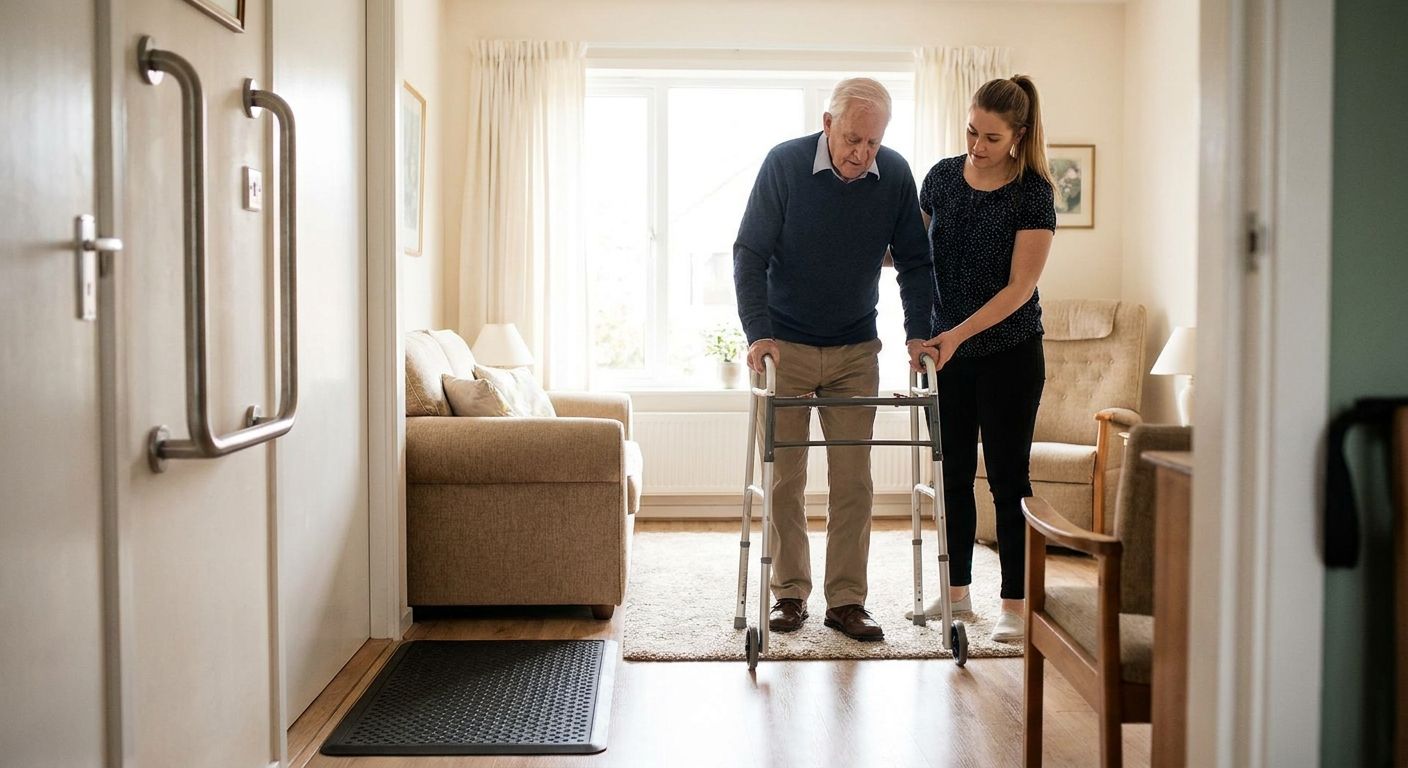
- Clear every walking path. Remove loose rugs, tangled cords, and low furniture from hallways and the routes between bedroom, bathroom, and kitchen.
- Fix the lighting. Add night lights in hallways and bathrooms, and put a lamp within arm's reach of the bed so no one gets up in the dark.
- Install grab bars. Toilet and shower areas need grab bars rated for real body weight, not towel bars repurposed as handholds. Edward Creation's guide to bathroom grab bars and fall prevention aids covers placement and load ratings in detail.
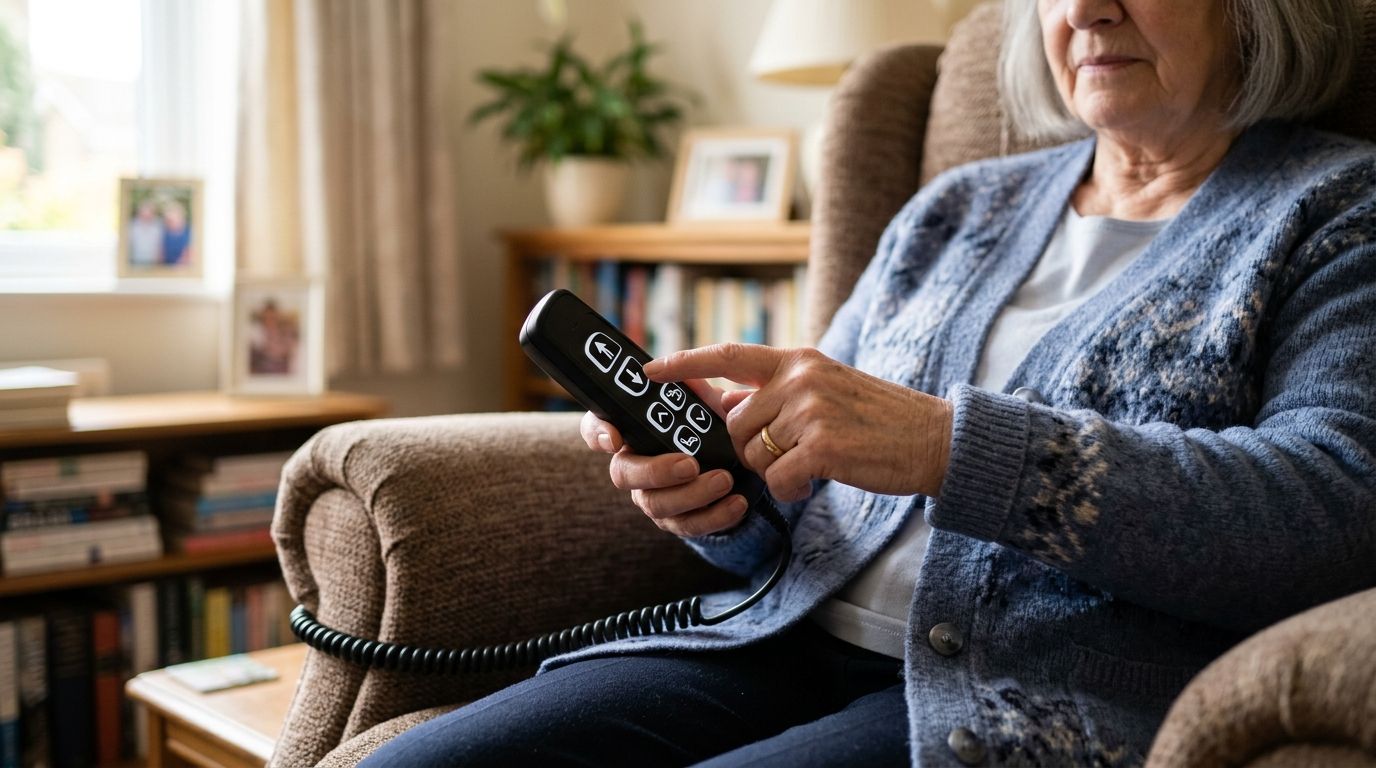
- Replace unstable seating. A soft, low recliner that requires pushing off the armrests to stand is a fall risk in itself; a power lift recliner that stands you up removes that moment of strain.
- Check footwear. Slippers with no back strap or worn-out treads on regular shoes account for a surprising share of indoor slips.
- Review medications with a doctor. Sedatives, blood pressure medication, and some antidepressants cause dizziness that raises fall risk independent of the home environment.
- Reassess every 6 to 12 months. Balance and vision change gradually, so a home that was safe in 2025 might need new grab bars or a different chair by 2026.
A dedicated resource on fall prevention aids for seniors living alone walks through the checklist for someone without a caregiver on site, which changes the priority order slightly toward wearable alerts and phone placement.
Room-by-room fall prevention checklist
General advice gets ignored. A room-by-room list gets acted on. Here's where the highest-risk spots are and what actually fixes them.
Bathroom
The bathroom causes more falls among older adults than any other room, mostly from wet tile and the twisting motion of getting in and out of a tub. A raised toilet seat, a non-slip bath mat, and grab bars near the tub and toilet address the three biggest culprits.
Bedroom
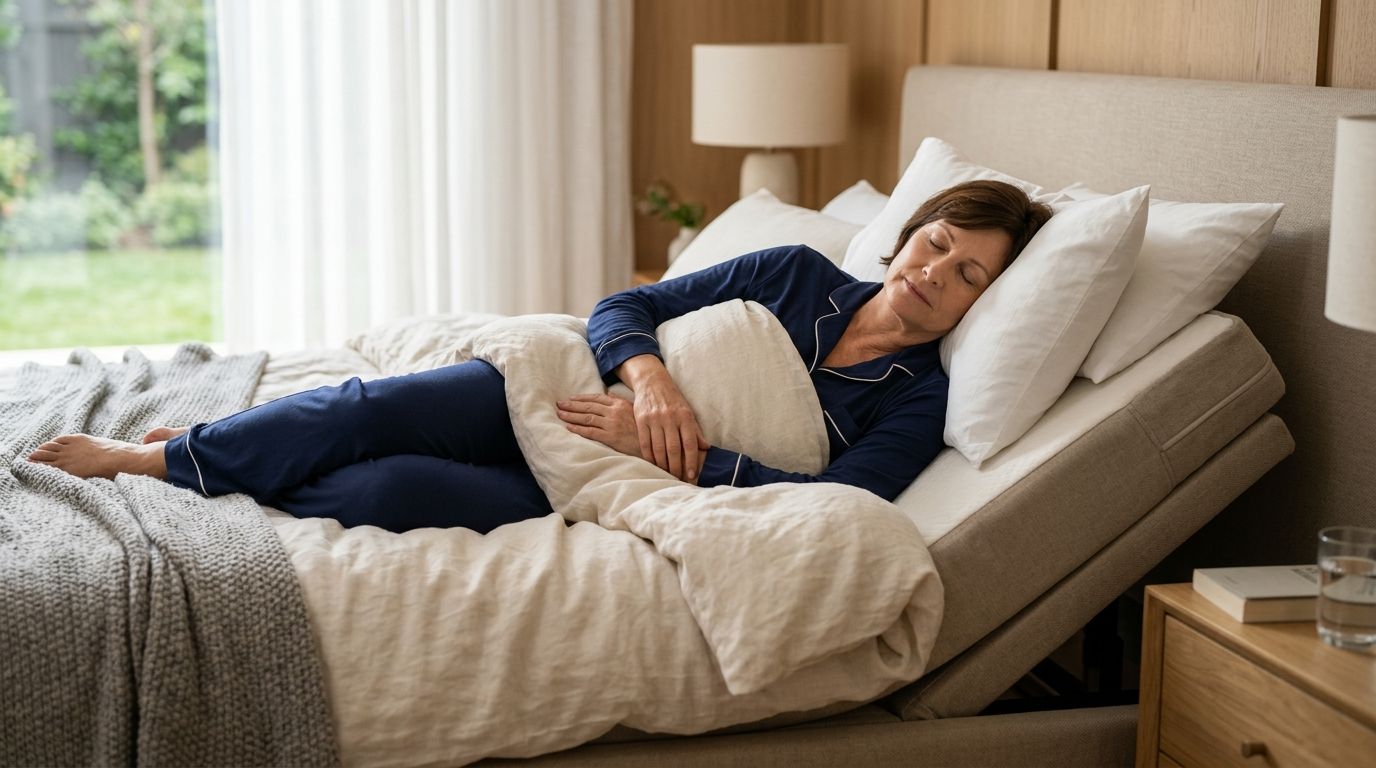
Getting out of bed in the dark or in a hurry to reach the bathroom is a common fall trigger. Keep a light switch or lamp within reach, and make sure the bed height lets feet touch the floor without a jump down.
Living room
This is where seating matters most. A chair that's too soft, too low, or too deep forces someone to rock forward repeatedly to build momentum to stand — and that rocking motion is exactly when balance fails. This is the room where a power lift chair changes the daily fall-risk math the most.
Stairs and entryways
Uneven thresholds, a single step at the front door, and stairs without a second handrail are common in homes built decades before accessibility became a design priority. Beyond adding handrails on both sides of any staircase, installing a wheelchair access ramp at uneven entry points removes the trip-and-stumble risk of a raised threshold entirely, and it's worth the same attention as any indoor fix.
Why falls happen at home
- Balance disorders from inner-ear issues, Parkinson's, or stroke recovery reduce reaction time when a foot catches on something.
- Medication side effects, especially sedatives and blood pressure drugs, cause dizziness on standing.
- Poor lighting in hallways and bathrooms hides small hazards like a step-down or a cord.
- Loose rugs and cords are the single most preventable trip hazard in most homes.
- Vision changes common after 65 make depth perception for stairs and curbs less reliable.
- Unsupportive furniture that requires pushing off with the arms to stand puts stress on joints already prone to buckling.


Do lift chairs really help prevent falls?
Yes — a power lift chair prevents falls by eliminating the rocking-and-pushing motion someone uses to build momentum from a low or soft seat. Standing up from a chair is one of the most common moments an elderly person loses balance, and a motorized lift removes that transition entirely.
What's the single biggest fall hazard at home for seniors?
The bathroom is the single biggest fall hazard at home for seniors, driven by wet tile and the twisting motion of getting in and out of a tub or shower. Grab bars near the toilet and tub address most of that risk directly.
How often should an elderly parent's home be checked for fall hazards?
An elderly parent's home should be checked for fall hazards every 6 to 12 months, since vision, balance, and medication needs shift gradually. A quick walkthrough after any hospital stay or new prescription is worth doing immediately, not on the usual schedule.
FAQ
What is the fastest way to prevent falls at home for elderly parents?
The fastest fix is removing loose rugs and cords from walking paths and adding a night light between the bedroom and bathroom. Grab bars and a supportive chair take a bit longer to source but close the two biggest remaining gaps.
Are grab bars enough to prevent bathroom falls?
Grab bars address the tub and toilet transfer, which is the highest-risk moment in the bathroom, but they don't fix wet tile. Pair grab bars with a non-slip bath mat for full coverage.
Do rugs really cause that many falls?
Loose rugs and uneven edges are one of the most common indoor trip hazards reported for older adults. Removing or taping down rugs in high-traffic areas is one of the cheapest fall-prevention fixes available.
Is a recliner safer than a regular chair for elderly parents?
A standard soft recliner is often less safe because it requires pushing off the arms and rocking forward to stand, which is when balance fails most often. A power lift recliner removes that step by lifting the seat toward standing height.
How much does home modification for fall prevention typically involve?
Home modification for fall prevention typically starts with low-cost fixes like lighting and rug removal, then moves to grab bars, ramps at entry thresholds, and supportive furniture. The scope depends on the home's layout and the parent's specific mobility limitations.
Can medication cause falls at home?
Yes, sedatives, blood pressure medication, and some antidepressants can cause dizziness that leads to falls, independent of any hazard in the home. A medication review with a doctor is worth doing alongside any physical home changes.
What room should be fixed first for fall prevention?
The bathroom should be fixed first, since it accounts for more falls among older adults than any other room in the house. Grab bars, a raised toilet seat, and a non-slip mat cover the highest-risk points.
One last thing
Most falls tracked by the CDC happen during normal daily activity — walking across a room, standing up from a chair, stepping out of the shower — not during exercise or anything unusual. That's good news for prevention: fixing the ordinary moments of the day, especially the sit-to-stand transition, closes most of the risk without a full home renovation. Start with the chair someone sits in for hours every day; it's the single highest-frequency fall moment in most homes.