Pregnant women's adjustable bed backrest is a wedge, motorized frame, or electric lifting bed that raises the torso and knees together, built to cut nighttime heartburn, back pain, and shortness of breath in the second and third trimester. A regular flat mattress works against you once the bump changes your center of gravity and pushes on the diaphragm — this segment needs incline that holds position without sliding, and it needs to work around doctor guidance on sleep posture, not just comfort preference.
- Electric lifting bed bases raise the torso and knees together, which wedge pillows can't hold all night.
- Doctors generally advise against lying flat on the back after roughly 20 weeks — an adjustable base solves this automatically.
- A 30 to 45 degree incline is the range most commonly cited for reducing pregnancy heartburn and reflux.
- Zero-gravity power recliners from Edward Creation cover daytime naps and reflux relief without a bed frame swap.
- Test weight capacity and frame width before buying — the bump changes how much turning room you actually need.
Why this matters for pregnant women
Search interest in electric lifting bed sits around 590 queries a month, which tells you this isn't a niche complaint — it's a common third-trimester problem that regular pillows don't fully solve. Standard guidance from OB providers steers pregnant women away from lying flat on the back once the uterus is large enough to compress major blood vessels, generally cited around 20 weeks onward. That single fact is why a fixed flat mattress stops working mid-pregnancy even for women who slept fine on it for months.
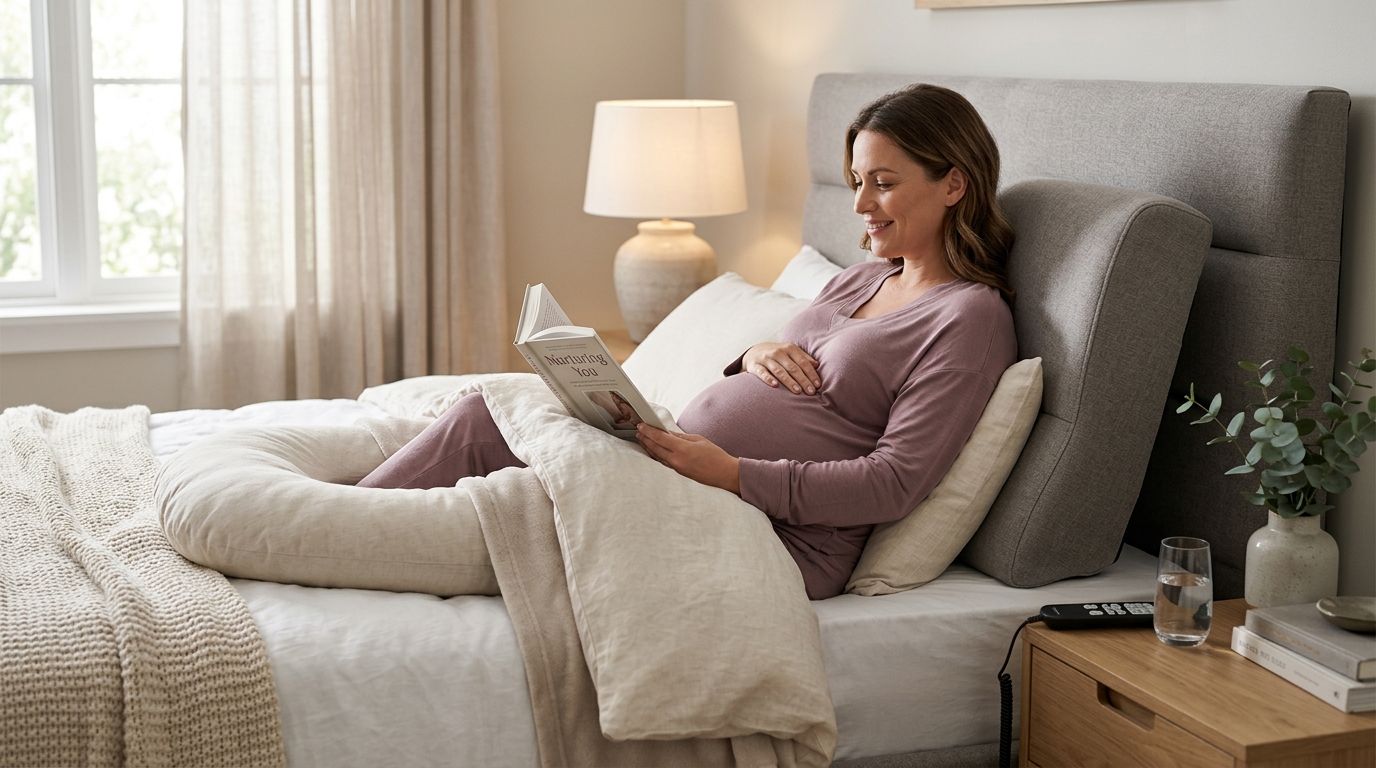
An adjustable book stand for bed rest solves a different problem — reading and screen time while propped up — but the backrest itself has to do the heavy lifting on posture. Getting the incline right also reduces reflux, since a 30 to 45 degree torso angle is the range most commonly recommended for keeping stomach acid down at night.
Elevate your upper body before you spend a dollar
Start cheap. Most pregnant women can test whether elevation actually helps before committing to a motorized frame.
- Stack two or three firm pillows behind the back to approximate a 30-45 degree incline
- Add a wedge pillow under the mattress topper for a more stable angle than loose pillows
- Place a pregnancy pillow or bolster between the knees to reduce hip and lower back strain
- Track heartburn and breathlessness for a week at the tested angle before buying anything
- Note whether the angle helps you fall asleep faster or just makes getting comfortable harder
If pillows control the symptoms, you may not need an electric lifting bed at all — save the spend for postpartum gear instead.
Lock in the left-side sleep position
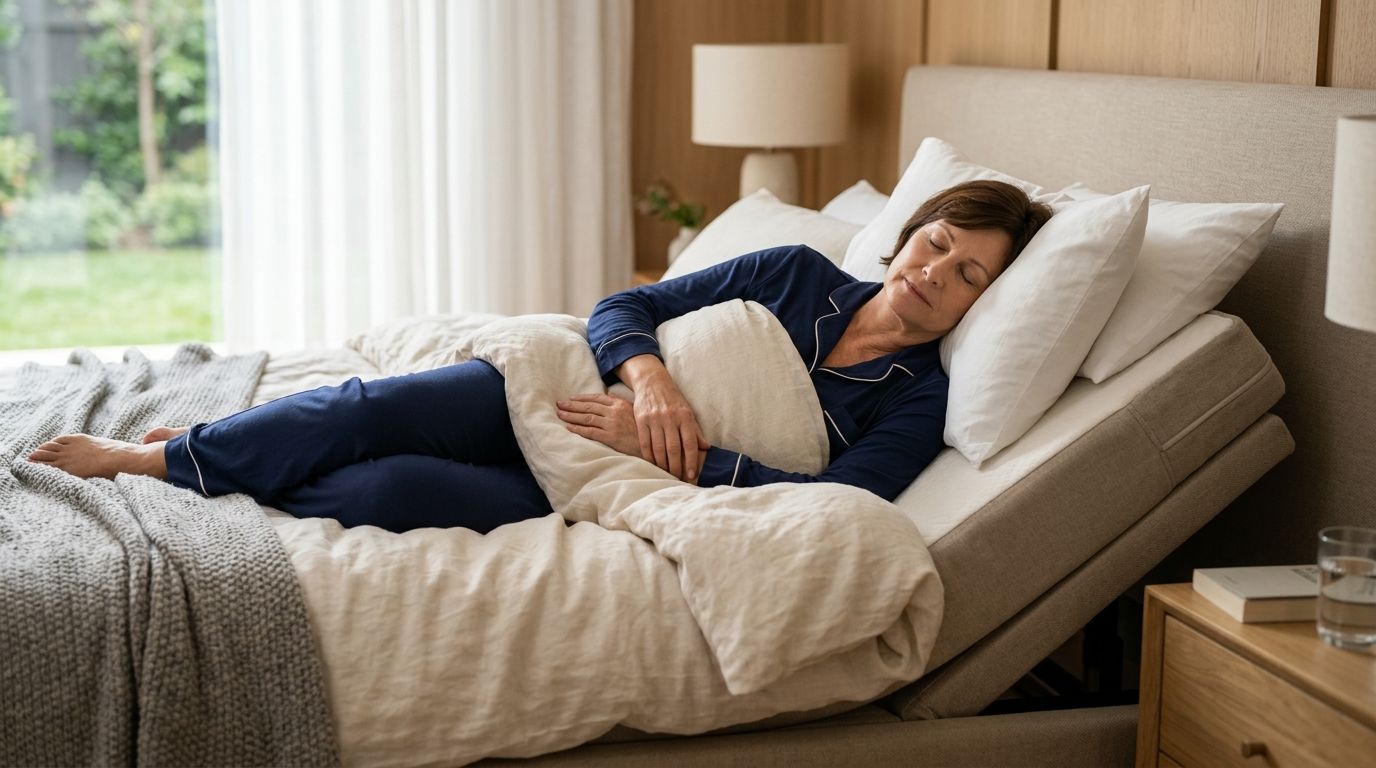
Side sleeping, particularly on the left, is the position most providers recommend once flat-back sleeping is off the table. An adjustable backrest should support this position, not fight it.
- Place a firm bolster behind the back to stop rolling flat during the night
- Keep a body pillow running the full length of the mattress for hip and knee support
- Set a nightstand with a charging port and light within arm's reach for water and phone access without twisting
- Avoid mattress toppers soft enough to let the hips sink and torque the spine
- Re-test the incline angle in the side position — it feels different than sitting upright
Weigh electric lifting beds against zero-gravity recliners
An electric lifting bed base replaces the box spring and raises the head and foot sections independently. A zero-gravity chair for pregnancy comfort does a similar job for naps and short rest periods without touching the bed at all.
- Adjustable bed base: works for full nightly sleep, needs a compatible mattress and frame
- Zero-gravity recliner: covers daytime reflux relief and naps, doesn't replace nighttime sleep
- Wedge pillow: cheapest option, slides and needs nightly re-adjusting
- Manual recliner: no power outlet required, less precise than motorized incline
Verdict: buy the bed base for nightly sleep, add a recliner for daytime rest — the two solve different hours of the day, not the same problem twice.
Confirm weight capacity and frame width
The bump changes how much clearance you need to turn over or get up, and it's easy to underestimate.
- Check the right lift chair weight capacity guidance before ordering any motorized seating or bed base
- Measure the room for at least 24 inches of clearance beyond the footboard for getting in and out
- Confirm the frame supports your current weight plus expected third-trimester gain, not just pre-pregnancy weight
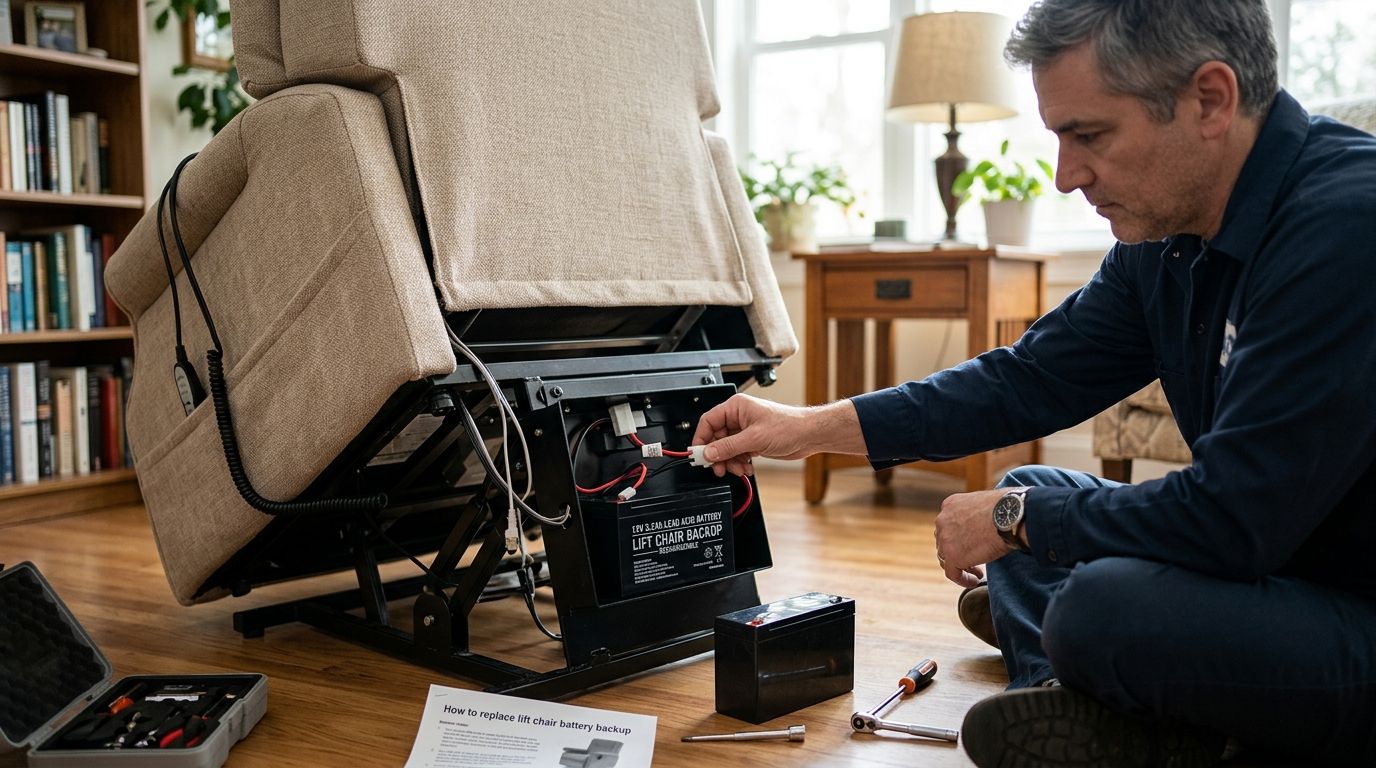
- Ask whether the base ships assembled or requires setup help — fatigue makes this harder later in pregnancy
- Check motor noise level if a partner sleeps in the same room
Rest during the day, not just at night
Daytime naps in a reclined position ease swelling and reflux without disturbing a made bed. This is where a dedicated recliner earns its space, since it goes from upright to reclined in seconds.


Test drive it before you commit
Don't buy an electric lifting bed or recliner sight unseen if you can help it — the third trimester changes what "comfortable" means week to week.
- Sit or lie in the reclined position for at least 15 minutes, not just a quick test
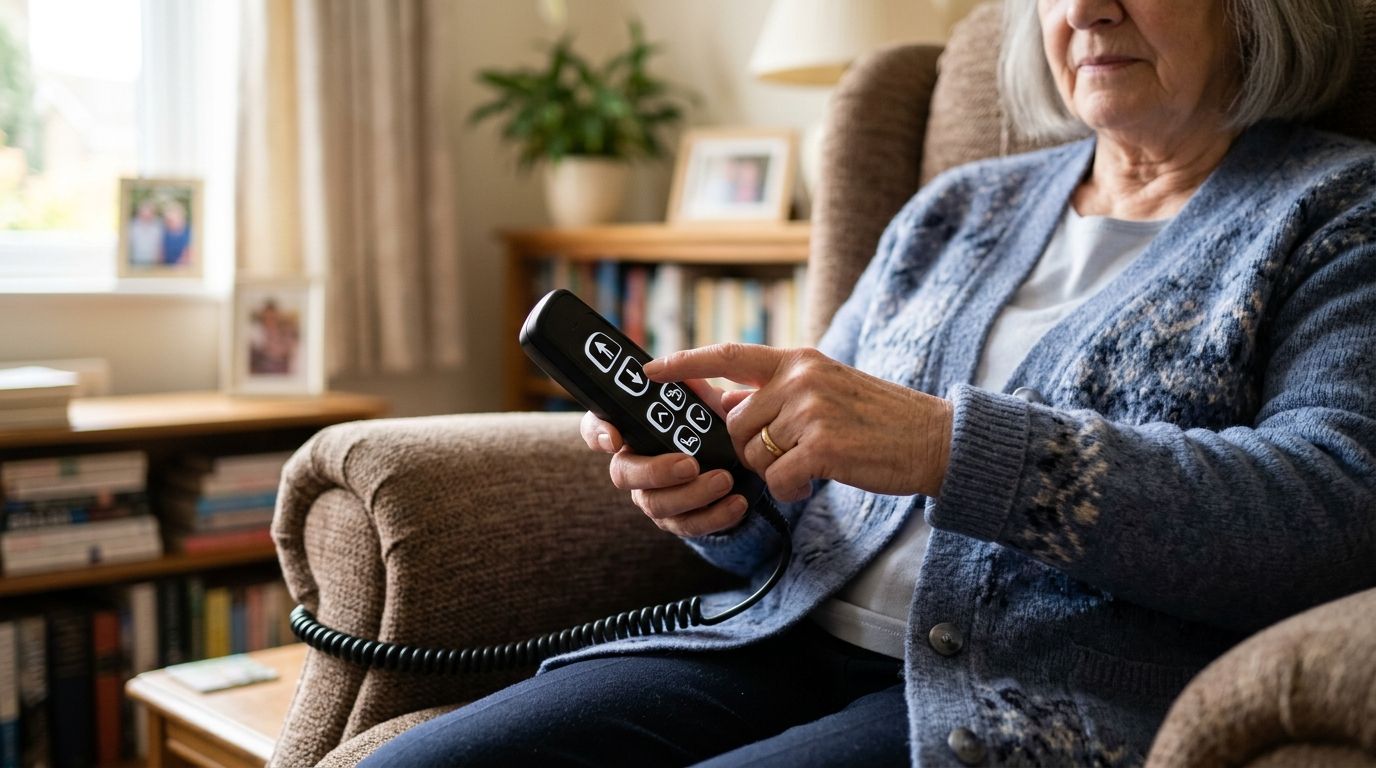
- Check that hand controls are reachable without leaning forward past the bump
- Confirm a swivel base or footrest release if getting up unassisted matters to you
- Ask about fabric breathability — pregnancy runs warmer than usual
- Have someone else test the assembly process if you'll need help later in pregnancy
Comparison: bed backrest options for pregnancy
| Option | Best for | Key limitation |
|---|---|---|
| Wedge or pregnancy pillow | Short-term relief, renters, tight budgets | Slides overnight, needs nightly readjustment |
| Electric lifting bed base | Full nightly sleep in any position | Requires a compatible mattress and frame swap |
| Zero-gravity power recliner | Daytime naps, reflux relief without replacing the bed | Not built for a full night's sleep, takes floor space |
| Manual recliner | No power outlet needed, simpler mechanism | No motorized incline, more effort to adjust position |
“A 30 to 45 degree torso incline is the range most commonly recommended for pregnancy heartburn relief, and pillows rarely hold that angle all night.”
Common mistakes pregnant women make
- Buying a bed base without checking mattress compatibility — some foam and hybrid mattresses don't flex correctly on a lifting frame
- Sleeping flat on the back out of habit even after installing an adjustable base, undoing the point of the purchase
- Ignoring frame width as the bump grows, then struggling to turn over comfortably by month eight
- Skipping the in-person or video test-sit because of fatigue, then returning a recliner that felt fine sitting but not lying back
- Not planning for postpartum use — a recliner or lift chair bought for pregnancy comfort keeps earning its keep during nighttime feedings
FAQ
What is an electric lifting bed used for during pregnancy?
An electric lifting bed raises the head and foot sections independently, letting a pregnant woman hold an incline all night for reflux, breathing, and back pain relief instead of relying on stacked pillows that slide.
Is it safe to sleep on your back with an adjustable bed during pregnancy?
Most providers advise against lying fully flat on the back after roughly 20 weeks regardless of the bed type; an adjustable base helps by keeping the torso elevated instead of flat, which supports the recommended incline rather than replacing it.
What angle should a pregnancy bed backrest be set to?
A 30 to 45 degree incline is the range most commonly recommended for reducing heartburn and reflux during pregnancy. Adjust from there based on comfort and how quickly symptoms ease.
Are zero-gravity recliners good for pregnancy comfort?
Yes, for daytime rest and reflux relief. A zero-gravity power recliner reclines to reduce pressure on the lower back and stomach without replacing nightly bed sleep, which still needs a mattress-based solution.
Do I need to replace my whole bed for an electric lifting base?
You need a mattress compatible with a flexing frame, typically foam or a hybrid rated for adjustable bases; a rigid innerspring mattress usually will not flex correctly on a lifting bed.
How much weight can an adjustable bed backrest support?
Weight capacity varies by model, so check the manufacturer's rated capacity against your current weight plus expected pregnancy weight gain before ordering.
Can I use a pregnancy recliner after the baby is born?
Yes. A zero-gravity or power recliner bought for pregnancy comfort continues to work for nighttime feedings, recovery rest, and general back support after delivery.
One last thing
The detail most pregnant women miss: the incline angle that fixes heartburn (30-45 degrees) is steeper than the angle most people default to with two stacked pillows, which lands closer to 15-20 degrees. If pillows aren't cutting the reflux, the problem is usually the angle, not the pillows themselves — measure it before buying a bed base to confirm elevation is actually the fix you need in 2026.